
Tried Everything for Pain Relief? Here Is What Acupuncture Actually Does Differently
- Thu Jul 9
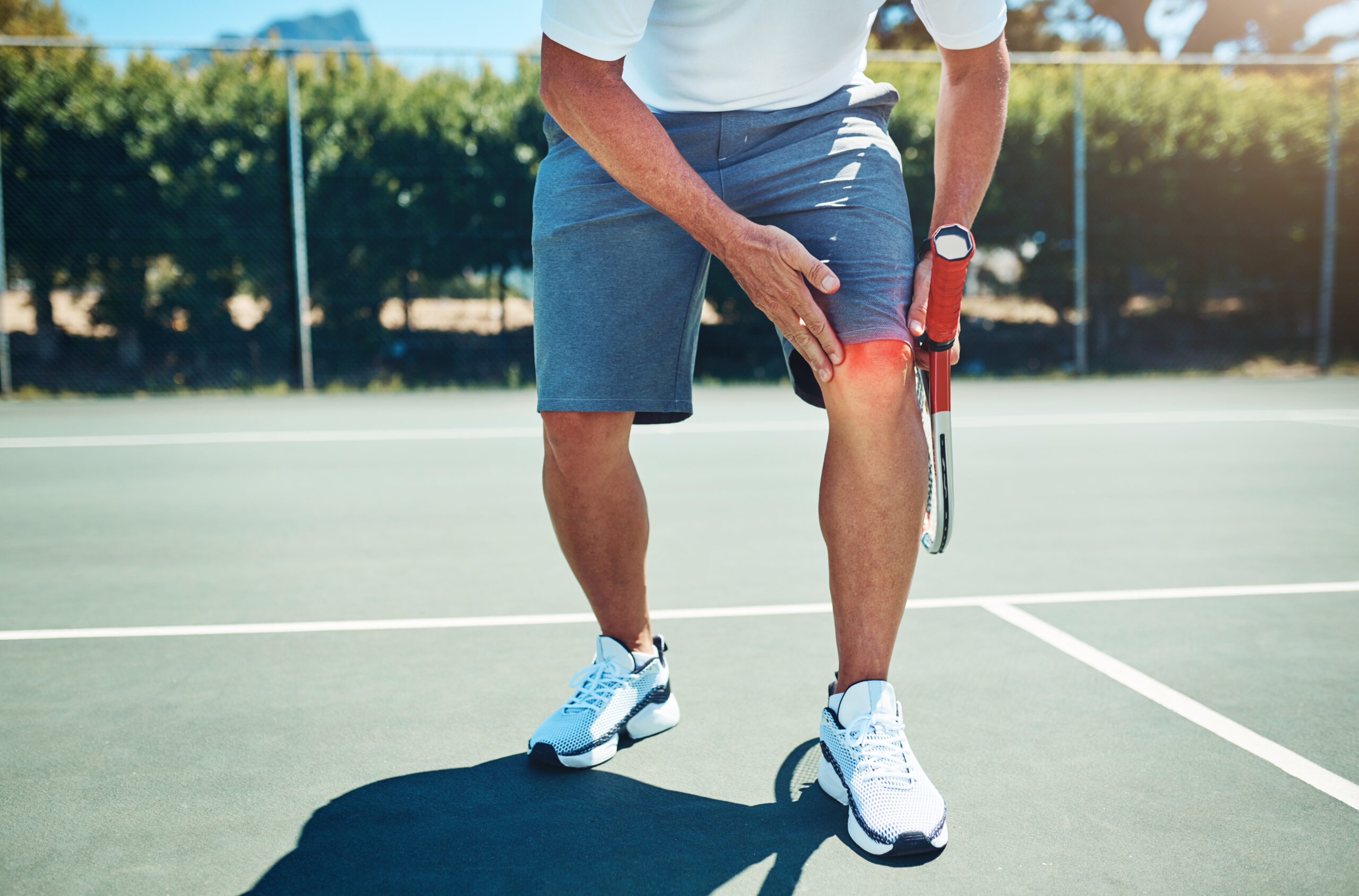
Feel an ache below your kneecap? That’s patellar tendon pain, and it’s more than just a minor strain.
This pain usually goes away with rest. But returns as soon as you go back to your physical activities.
Many athletes know the pain cycle well. It keeps coming back because resting is not a solution. You have to address the real issue.
The patellar tendon links your kneecap to your shinbone. It acts like a spring that stores and releases energy whenever you jump, sprint, or change direction.
If this tendon is repeatedly overloaded without adequate recovery, small tears can form within it. The tendon then gets weaker, thicker, and more painful. This is often called jumper’s knee, but it can also affect runners, footballers, and other athletes whose sports place repeated stress on the knee.
Pain usually begins just below the kneecap. At first, it goes away with rest. If left untreated, it can become persistent and occur before, during, and after activity.
A trusted clinic that offers shockwave therapy Milton can help with a proper assessment that targets the root cause, not just the pain.
Rest removes stress from the tendon, but it doesn’t actually fix the problem.
Many athletes make this mistake. They cut back on training, the pain goes away, but when they return to activity, the pain comes back and sometimes even worse.
This cycle happens because the tendon hasn’t really healed. It just had a break. When you start stressing it again, the same weak tissue is asked to handle loads it couldn’t manage before.
Resting for long periods can actually weaken the tendon. Tendons need the right kind of stress to adapt and recover. Without it, they can’t rebuild.
Most athletes aren’t warned about this part, which is why many stop treatment too soon.
Recovering from patellar tendon pain means slowly increasing the load on the tendon. This controlled stress helps it adapt and rebuild. Early in rehab, you might notice a temporary rise in pain and sensitivity around the knee.
This isn’t a sign that something is wrong. It shows the tendon is starting to heal.
Rehab usually starts with isometric exercises, where you hold a position without moving. These help reduce pain quickly and begin to load the tendon safely. Next, slow, controlled strengthening exercises are added, gradually increasing the tendon’s range of motion as it gets stronger.
Each stage challenges the tendon a little more than the last. Pain is watched closely. The aim is to keep discomfort manageable. Not to push through severe pain, but to stay in the zone where the tendon can adapt.
If you skip or rush this process, you’ll end up back where you started.
Patellar tendon pain goes through different stages. Knowing this is important.
At first, the tendon responds to overload by thickening. With the right care, this can be reversed.
If the overload persists, the tendon begins to break down. Collagen fibers get disorganized, and healing is only partly successful. This stage is harder to reverse and takes longer to treat.
In severe cases, parts of the tendon break down so much that they can’t handle any load. The healthy tissue left has to work harder, raising the risk of a serious tear or rupture.
Athletes who keep training through pain without fixing the cause aren’t making the tendon stronger. They’re actually making the problem worse.
If patellar tendon pain doesn’t improve with rest or basic rehab, shockwave therapy Milton is one of the most effective treatments available.
Shockwave therapy uses focused sound waves on the damaged tendon. This triggers healing by boosting blood flow, breaking down disorganized tissue, and helping the tendon repair itself. It treats the problem at the tissue level, not just the symptoms.
Research shows that shockwave therapy helps with tendon problems. It reduces pain, improves function, and helps athletes get back to training faster than rehab alone in tough cases.
Shockwave therapy in Milton usually starts after the most painful, inflamed phase has passed. It works best when combined with a structured physiotherapy program, not on its own. Together, these treatments fix both the tissue damage and the movement patterns that caused the problem.
A typical course is three to six sessions. Most athletes notice real improvement within the first few sessions.
There’s no single fix for patellar tendon pain, but a structured plan usually covers several key areas.
The initial phase will include load management. Your workout schedule has been modified to allow your tendon to recover while still engaging in physical activities. Second on the list are isometrics, which help decrease pain while still allowing the tendon to function. This is followed by the gradual strengthening of quads, hips, and glutes.
Hip and glute strength matter more than many athletes realize. Weakness here puts extra stress on the knee with every step and landing. Building this strength helps shift the load and takes pressure off the tendon.
Assessing movement patterns means checking how an athlete jumps, lands, and changes direction. Poor technique can quietly overload the patellar tendon each time. Fixing these mechanics helps prevent the injury from returning.
Getting back into sport should be gradual and follow clear steps. Pain levels, strength tests, and functional checks all help guide the process. Rushing this stage is a common reason patellar tendon pain comes back after treatment.
Don’t wait until the pain is constant before you do something about it.
Getting help early keeps the tendon in stages that can still be reversed. The longer you wait without proper treatment, the harder and slower recovery becomes.
If you’ve had pain below your kneecap for more than a few weeks, if it flares when you step up training, or if it’s affecting your performance, it’s time to get it checked properly. Visit a clinic offering shockwave therapy in Milton as part of a full rehab plan, including physio and personalized strengthening.