
Tried Everything for Pain Relief? Here Is What Acupuncture Actually Does Differently
- Thu Jul 9
We usually don’t think much about our feet until something goes wrong. If you have diabetes, though, it’s important to pay attention before problems start.
With diabetes, problems often come silently. By the time you notice pain, some damage has already occurred.
Diabetes can harm your feet in two main ways.
The first issue is nerve damage, called diabetic neuropathy. Slowly, high blood sugar can damage nerves in your feet, leading to a loss of feeling. This means cuts, blisters, and pressure points might not hurt, so small injuries can go unnoticed.
The second problem is poor blood flow. Diabetes can slow down circulation in your legs and feet. So, wounds that heal quickly for others may take much longer for you, and sometimes won’t heal without special care.
When these two problems happen together, they can be serious. An injury you can’t feel, in a foot that heals slowly, can quickly turn from a small blister into an infected ulcer.
That’s why it’s better to prevent foot problems than to treat them after they start.
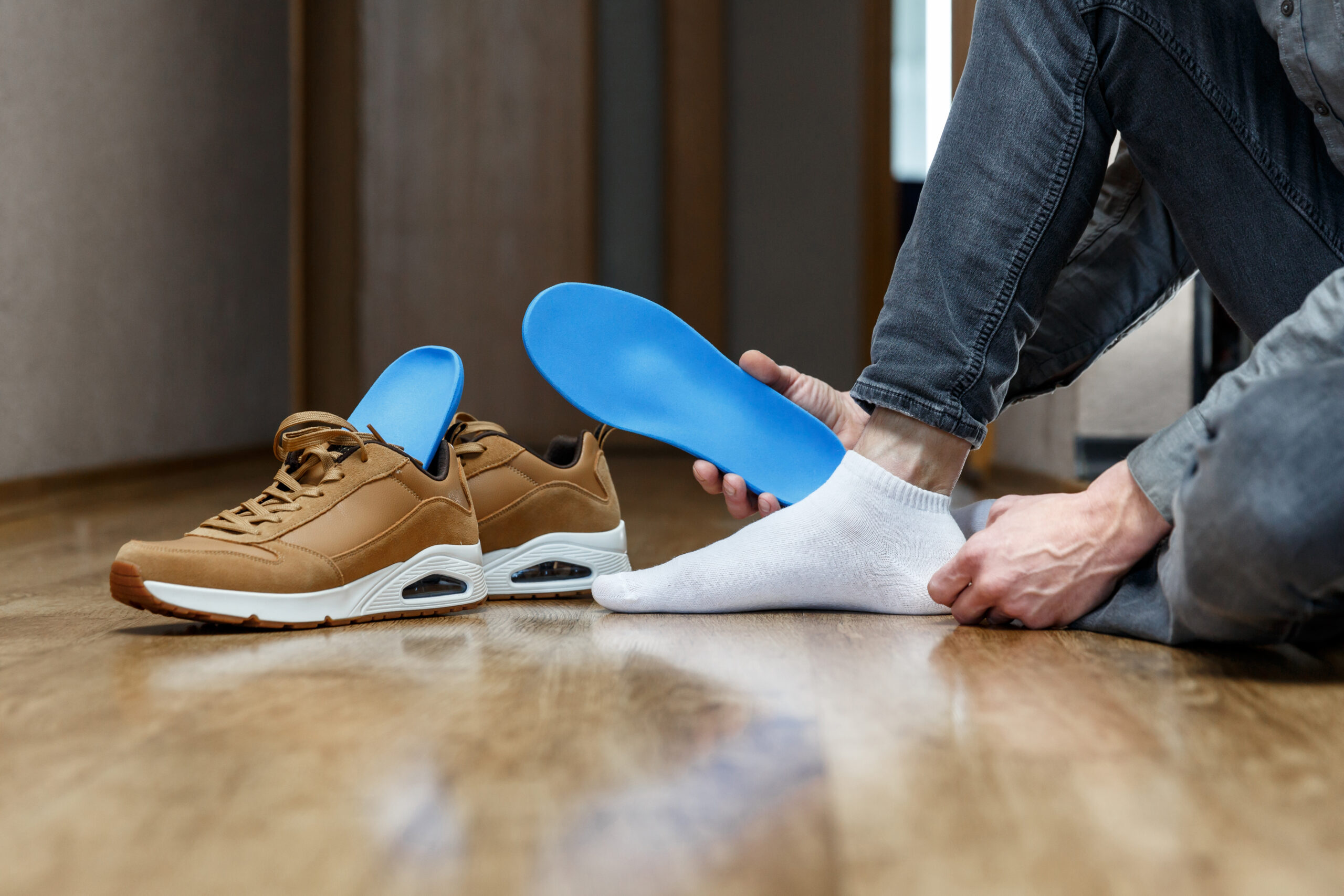
Custom orthotics aren’t like the insoles you buy at the pharmacy. They’re prescription devices, made from a mold or scan of your foot to fit your unique shape and how you move.
For people with diabetes, orthotics do several important things.
Pressure redistribution. Every step puts pressure on certain parts of your foot. If the same spots get too much pressure again and again, the skin can break down, leading to calluses, blisters, or even ulcers. Custom orthotics distribute this pressure and protect sensitive areas before problems arise.
Friction and shear reduction. When your foot moves inside your shoe, it causes friction. Most people don’t notice this, but if you have diabetes and less feeling in your feet, friction can cause serious skin problems without warning. Orthotics help lower this friction.
Stability and balance. Nerve damage affects more than just your sense of feeling; it also changes your balance and the way you walk. Custom orthotics help correct your alignment and support your arch, giving your foot a stable base. This lowers your risk of falling and helps prevent awkward walking that can strain your joints.
Circulation support. Orthotics help your foot move more easily and make each step easier, improving blood flow in your legs and feet. Good circulation helps your body heal.
Deformity prevention. Conditions such as Charcot foot, hammertoes, and bunions occur more often in people with diabetes. Custom orthotics support your foot’s structure and help slow down these changes over time.
Off-the-shelf insoles are made for the average foot. They give basic cushioning and some arch support. For mild discomfort in healthy feet, they can be helpful.
But if you have diabetes, the fit needs to be exact.
If an insole doesn’t fit well, it can create new pressure points and shift how your weight is distributed. This can sometimes cause harm rather than help. Because you may feel less, you might not notice these problems until your skin is already damaged.
Custom made orthotics in Milton are designed for your unique foot shape, pressure points, and the way you walk. They are made of special materials to meet your needs, often soft, moisture-wicking, and antimicrobial, to keep your feet dry and reduce the risk of infection. The fit is exact, and the protection is focused where you need it.
This kind of precision matters even more when your risks are higher.
Getting orthotics in Milton starts with a proper foot assessment, not just a quick measurement.
A qualified clinician will examine your foot structure, observe how you walk, identify pressure points, and discuss your symptoms and activity level with you. Then, they will take a mold or digital scan of your foot to make an orthotic that fits you exactly.
When your custom made orthotics in Milton are ready, you will have a fitting to make sure they are comfortable and work well. Follow-up visits let you adjust them if your feet or activity level change.
The process is simple, and most people notice a difference soon after they start using their orthotics.
Your feet need time to adjust to new support. Start by wearing your orthotics for short periods, just a few hours at first, and slowly increase the time over one to two weeks.
Make sure your shoes are deep and wide enough to fit the orthotics comfortably, without squeezing your foot. Shoes that feel tight with the orthotic inside can cause the same pressure problems you want to avoid.
Check your feet every day. Look for any new redness, pressure marks, or irritation. Even with orthotics, daily foot checks are still an important part of diabetic foot care.
Custom orthotics are helpful, but work best when combined with good daily habits.
Check your feet every day for cuts, blisters, redness, or color changes. Wash and dry your feet well, especially between the toes. Keep your toenails trimmed and smooth. Always wear shoes or slippers, even at home, and never walk barefoot. Choose shoes with a wide toe box, soft padding, and a secure fit.
Orthotics help lower your risk, and good habits keep your risk as low as possible.
Do not wait for a wound to appear before you take foot health seriously.
If you have diabetes and have not had a proper foot assessment, now is a good time to get one. If you use off-the-shelf insoles but still feel tired feet, pressure spots, or discomfort, a custom solution can make a real difference.
Taking action early helps protect your feet and keeps small problems from becoming serious.